The international conveyor belt industry experiences steady growth, expected to reach USD 8.2 billion by 2034. Although sectors such as mining and steel generate substantial demand, the food and beverage field demands precise standards for every element. Transporting large volumes of bread or sugar daily requires careful material selection, where the belt serves as a vital safety component rather than a simple transport tool. For this reason, white PVC variants gain increasing preference in operations.
Why Is the Food Industry Transitioning to White PVC Conveyor Belts?
This transition arises from reliable data, not mere fashion. The polymer portion of the market, encompassing PVC and similar substances, reached USD 4.4 billion in 2024. Facilities shift from conventional rubber belts in food areas because PVC cleans more readily and withstands cleaning agents used in processing without adverse effects.
Market Demand for Specialized Food Grade Solutions
With rising global purchases of prepared foods and increasing available funds, production sites expand rapidly to accommodate demand. Consequently, conveyor mechanisms operate extended periods and manage sensitive items more frequently than before. In areas including North America and Asia Pacific, producers seek durable belts that maintain pace while avoiding conditions favorable to microbial development.
Superior Cleanliness and Visual Inspection Benefits
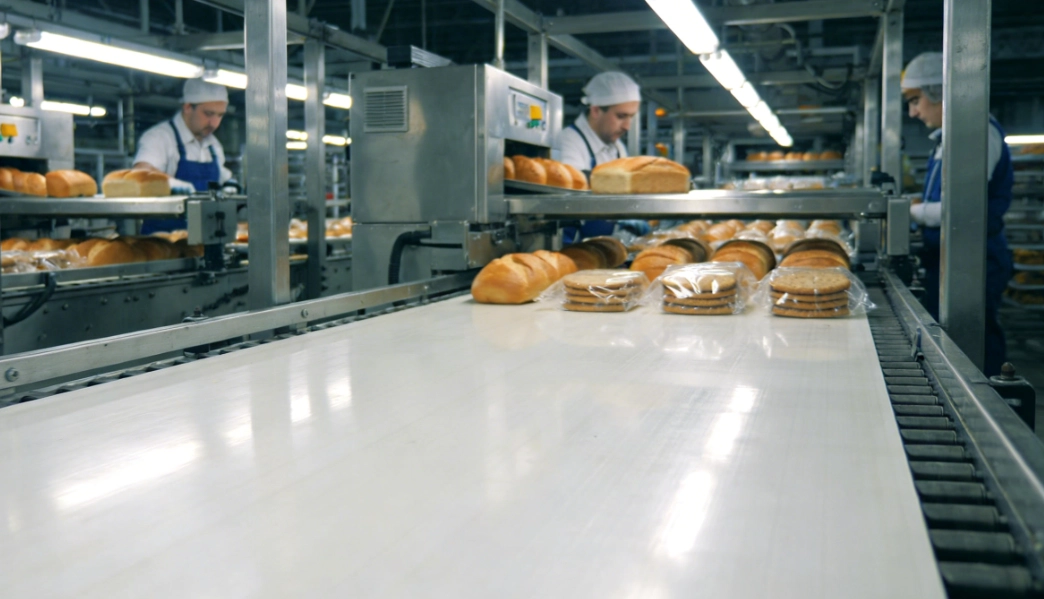
Opting for white color provides functional value beyond appearance. In active food processing units, clear visibility of the production line proves essential for quality control. White PVC facilitates prompt detection of particles, residues, or irregular marks indicating contamination. Moreover, as these belts resist chemicals and require minimal effort for cleaning, they suit moderate tasks prioritizing sanitation above all.
Enhanced Durability Against Food Specific Challenges
Food handling belts differ from those for ore or rock transport, as they must remain pliable and resilient without added weight. PVC and polyurethane types earn favor for producing low friction and enduring constant operational stress. Such strength reduces interruptions for supervisors aiming to prevent costly halts or repair issues.
Effective performance in manufacturing spaces often hinges on the belt’s precise design, leading to discussions on how dedicated suppliers meet the particular requirements of baking and confectionery settings.
How Does UYANG BELTING Address Bakery and Confectionery Challenges?
A visit to an extensive bakery reveals a demanding atmosphere, complete with airborne flour, adhering mixtures, and ongoing warmth. UYANG BELTING dedicates resources to developing belts that enhance workflow beyond basic functionality. Their approach centers on materials suited to the distinct consistencies of oven-fresh and sugary products, ensuring orderly production without residue buildup.
Precision Handling With Polyester Fabric Support
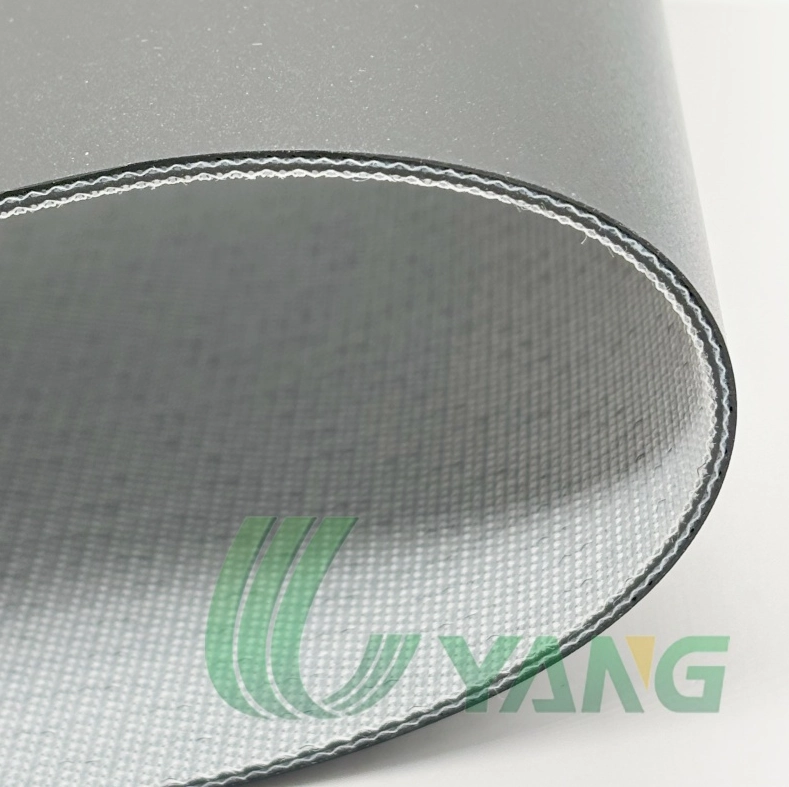
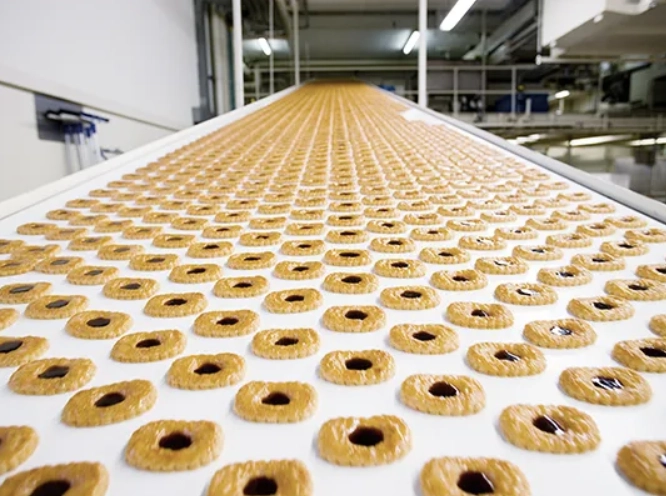
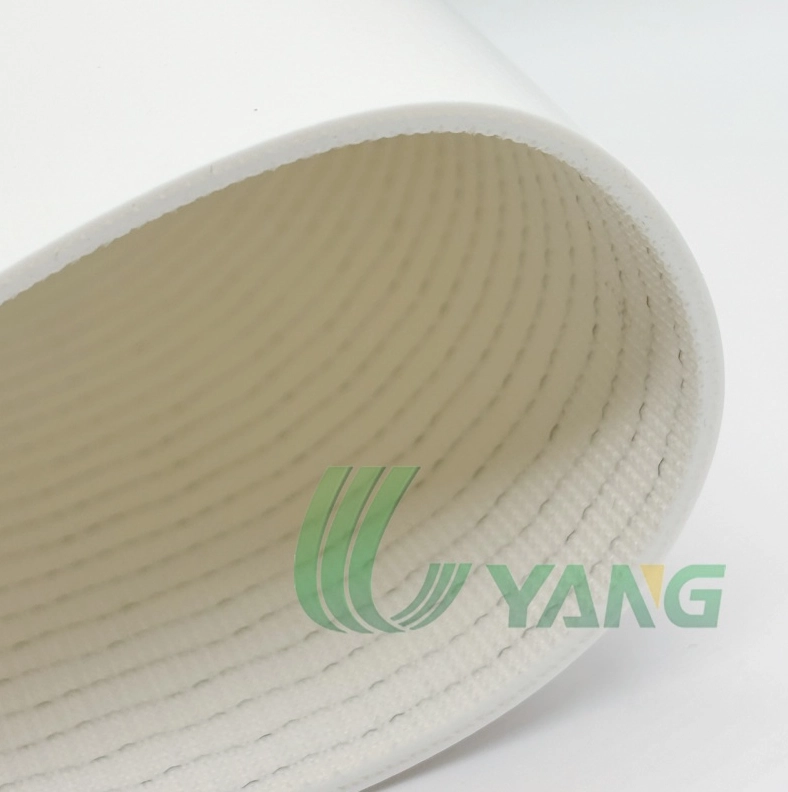
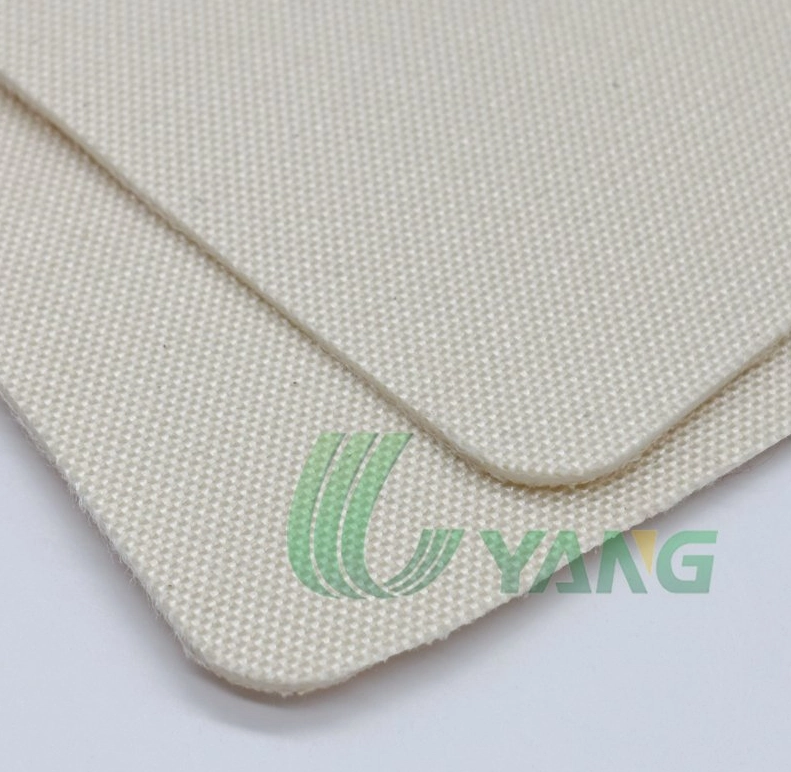
Among their notable items stands the PVC Conveyor Belt-Polyester Fabrics, tailored for bakery and confectionery applications. The embedded polyester provides structural support, maintaining alignment under loads like cookie or pastry carriers. This equilibrium between a compliant PVC outer layer and a firm internal framework sustains consistent motion, resisting deformation during use.
Specialized Surface Patterns for Product Release
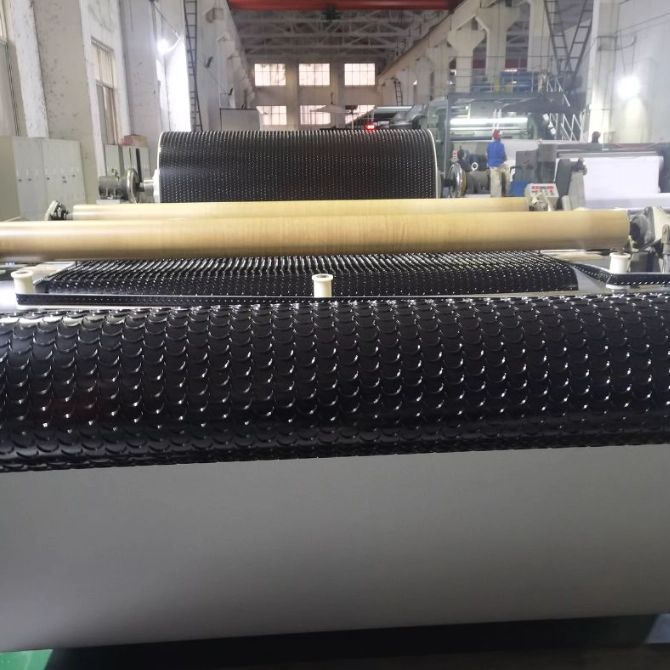
Adhered portions of doughnuts to the belt cause unnecessary losses, which UYANG BELTING mitigates through surfaces promoting smooth detachment. This feature matters greatly for adhesive confections. As products transfer cleanly, waste diminishes, and outputs retain their proper form. Even minor innovations like this contribute to substantial savings across monthly operations.
Compliance With International Food Safety Standards
In food production, safety allows no shortcuts, and UYANG BELTING selects inert polymers preventing harmful migration into contents. As worldwide oversight on handling intensifies, belts adhering to rigorous norms become standard for reputable sites. This compliance averts critical incidents such as withdrawals or regulatory penalties.
Baking operations require gentle management, whereas sugar handling demands greater robustness to manage mass and coarseness.
What Makes UYANG Sugar Conveying Belts Suitable for Heavy Loads?
Though sugar seems basic, its bulk movement stresses machinery through density, abrasiveness, and clumping in moisture. Ordinary lightweight belts prove inadequate, necessitating options for intensive food sector lifting.
Robust 5-Ply Construction for Industrial Sugar Processing
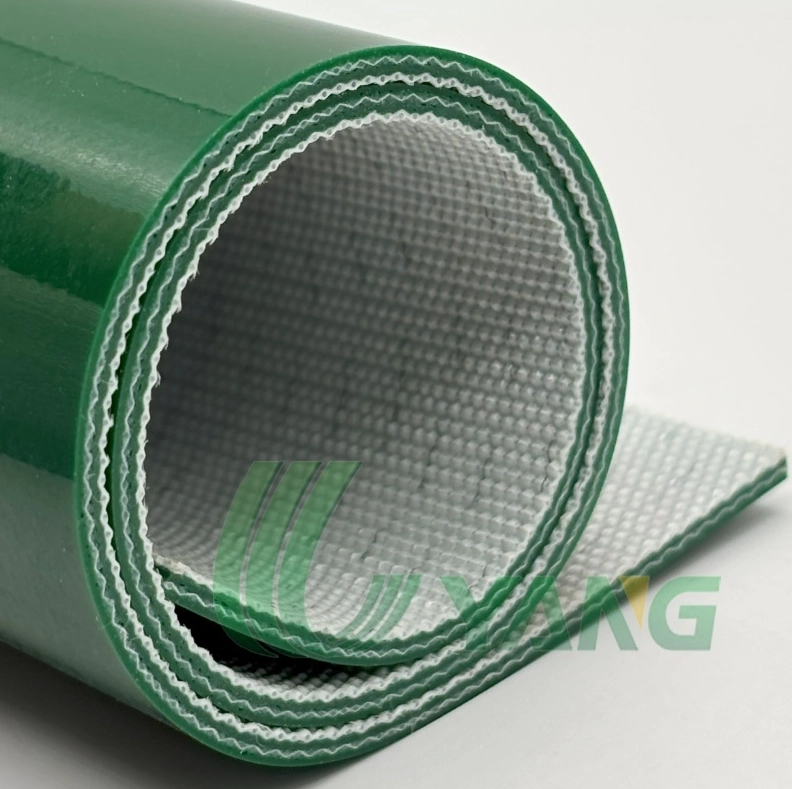
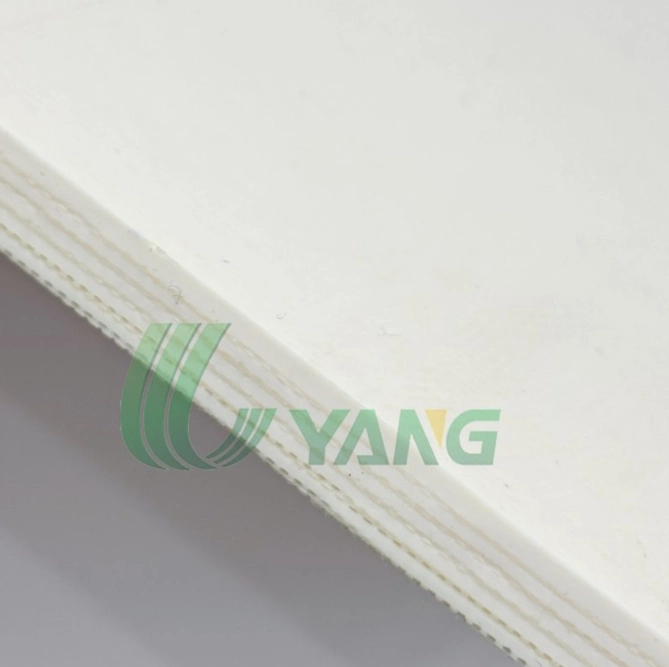
For substantial demands, the UYANG PVC Conveyor Belt for Sugar Conveying offers formidable strength with five fabric plies and five PVC layers. This substantial layering ensures integrity, avoiding rupture or bending while conveying vast quantities of unprocessed or finished sugar across premises.
Resistance to Abrasion and Granular Wear
Sugar particles mimic fine abrasives, eroding inferior belts over time and forming gaps for contaminants.UYANG BELTING’s layered configuration counters granular degradation using resilient PVC, preserving evenness and wholeness for prolonged durations. This reliability alleviates pressures from elevated costs and upkeep, common obstacles in the field.
Optimized Design for Large-Scale Material Handling
Full-capacity sugar facilities suffer from any pauses, so these strengthened belts support ongoing medium-load activities in preliminary food stages. Their resilience elevates efficiency, meeting the precise needs of prominent makers in the U.S. and China currently.
Shifting raw components presents certain challenges, but packaged forms in containers require distinct adhesion for delivery to dispatch points.
Can the White Diamond Pattern Improve Logistics and Packaging?
Conveyor routes vary, often involving rises for cartons or stability for vials toward marking areas. Surface characteristics gain prominence here, as excessive smoothness leads to slips, culminating in fractured items or damaged stacks at declines.
Increased Grip and Friction for Inclined Transport
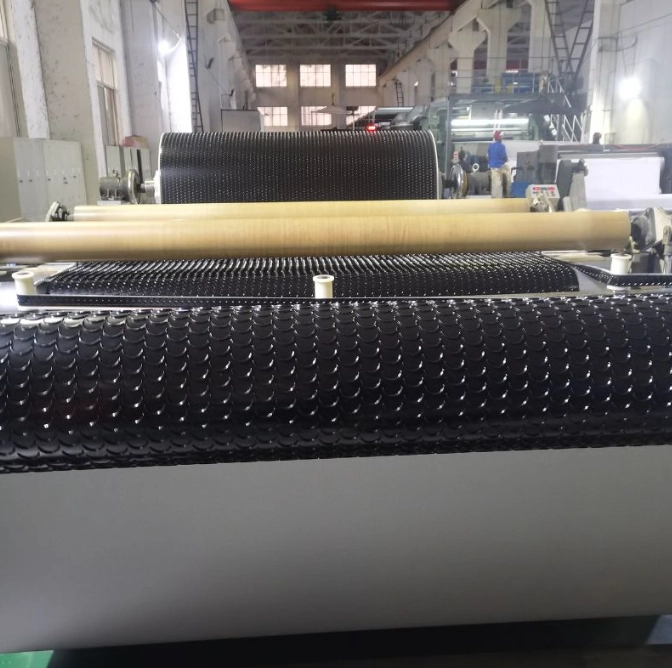
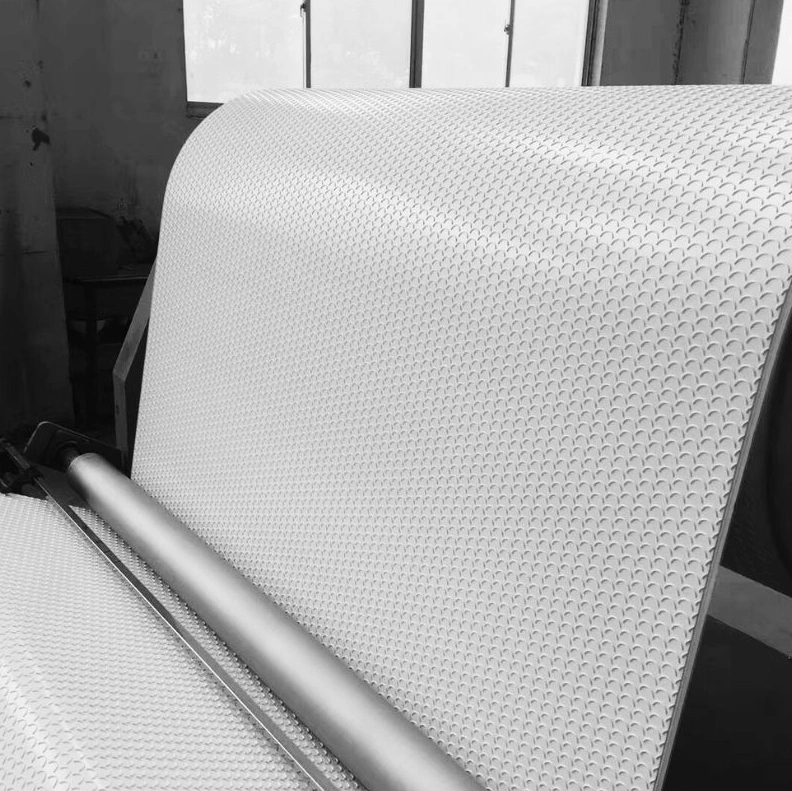
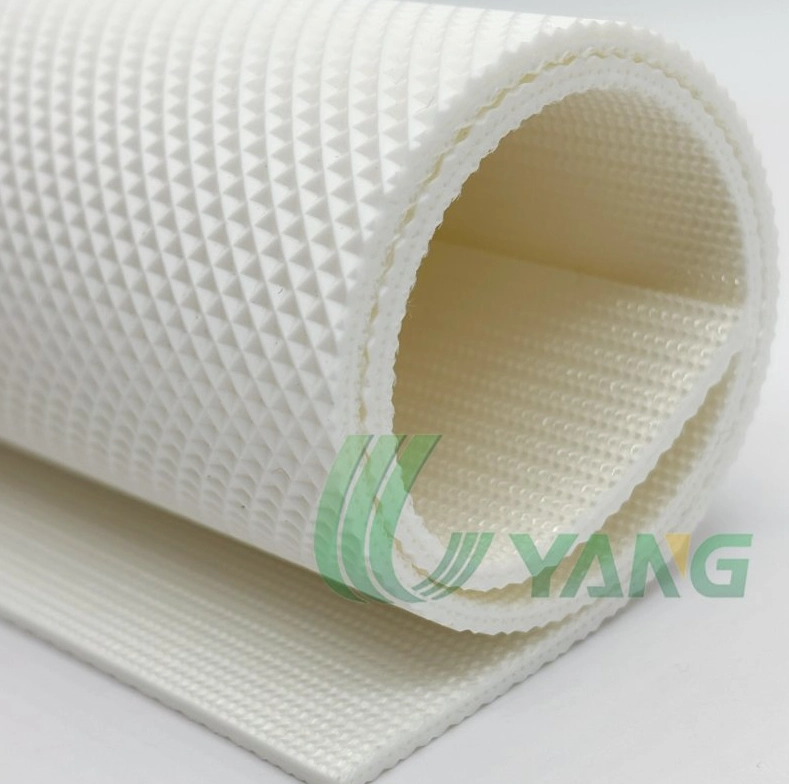
The White Diamond PVC Conveyor Belt resolves slippage via an raised diamond motif resembling effective traction. This added hold proves invaluable for sloped conveyance, securing wrappings firmly despite sharp tilts on the mechanism.
Versatility Across Light and Medium Weight Applications
Plain belts comprise over 73% of the sector for their broad utility, and the diamond enhancement expands this scope further. It handles lightweight cereal parcels as effectively as moderate beverage cases, positioning it as a reliable choice for packing and distribution in food sites where loads vary hourly.
Easy Maintenance and Reduced Downtime
Textured surfaces might seem challenging to maintain, yet the diamond setup incorporates partial self-clearing properties. Particles and fragments release more readily than in profound grooves, allowing teams to finish sanitation promptly and resume activities. With upkeep expenses weighing on numerous enterprises, particularly modest ones, a straightforward-care belt yields significant advantages.
These focused offerings illustrate sectoral advancement, concentrating on accelerated, hygienic, and astute methods for enduring success.
How Is UYANG BELTING Driving Future Industry Trends?
The conveyor domain progresses actively, featuring discussions on mechanization and intelligent plants. Producers seek greater yields from setups, requiring belts harmonious with emerging tech and sensing equipment. UYANG BELTING engages centrally in this evolution, aligning products with contemporary automated frameworks.
Integration of Smart Materials and Automation
Mechanization propels transformations presently, across extraction locations or advanced food venues, where entities desire autonomous operations with scant oversight. UYANG BELTING matches this by employing substances compatible with advanced oversight tools, aiding facilities in identifying faults early to sustain seamless function.
Focus on Sustainable and Energy Efficient Manufacturing
Sustainability transcends jargon, forming a fundamental obligation. Leading market entities promote environmentally sound belts conserving power. UYANG BELTING pursues this via lightweight, reduced-drag PVC constructions, which lessen motor effort, thereby lowering power usage and the site’s ecological mark.
Expanding Market Presence in High Growth Regions
China and India pioneer in building and output, with North America securing a vast advanced segment, creating ample expansion chances. UYANG BELTING establishes as an essential ally for regional firms, delivering targeted items resolving practical concerns like hygiene and robust shifting, affirming that superior performance stems from focus rather than magnitude.
FAQ
Q1: Why is PVC better than rubber for food conveyor belts?
A: PVC endures fats, oils, and agents in food handling more effectively. It remains impermeable and simpler to decontaminate, thus inhibiting microbial accumulation. Additionally, white PVC enables straightforward assessment of cleanliness.
Q2: Can these belts handle steep inclines without products slipping?
A: Yes, particularly with patterned exteriors like the White Diamond, which elevate traction and hold, permitting ascent on slopes up to 16 degrees absent reversal.
Q3: How long do these PVC belts typically last in a high-volume factory?
A: Duration hinges on burden, yet fortified types like the 5-ply sugar conveyor endure extensively. Utilizing superior polyester weaves and layered PVC, they oppose extension and erosion, decreasing replacement needs.