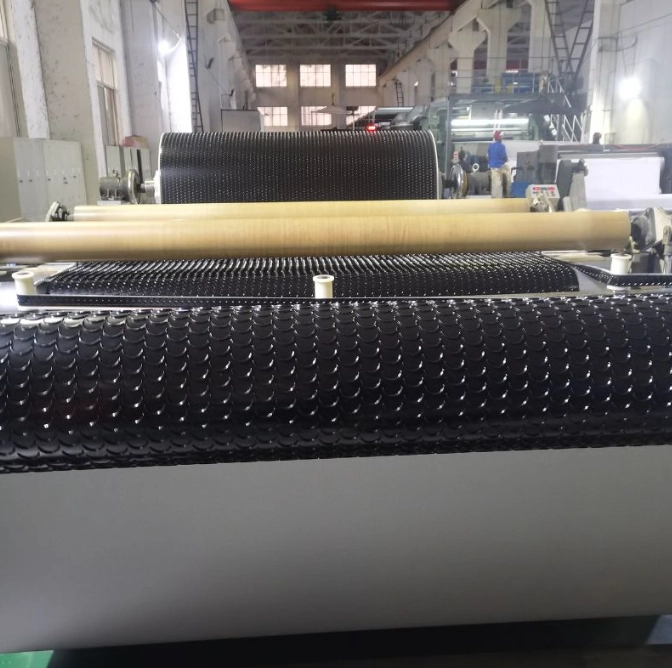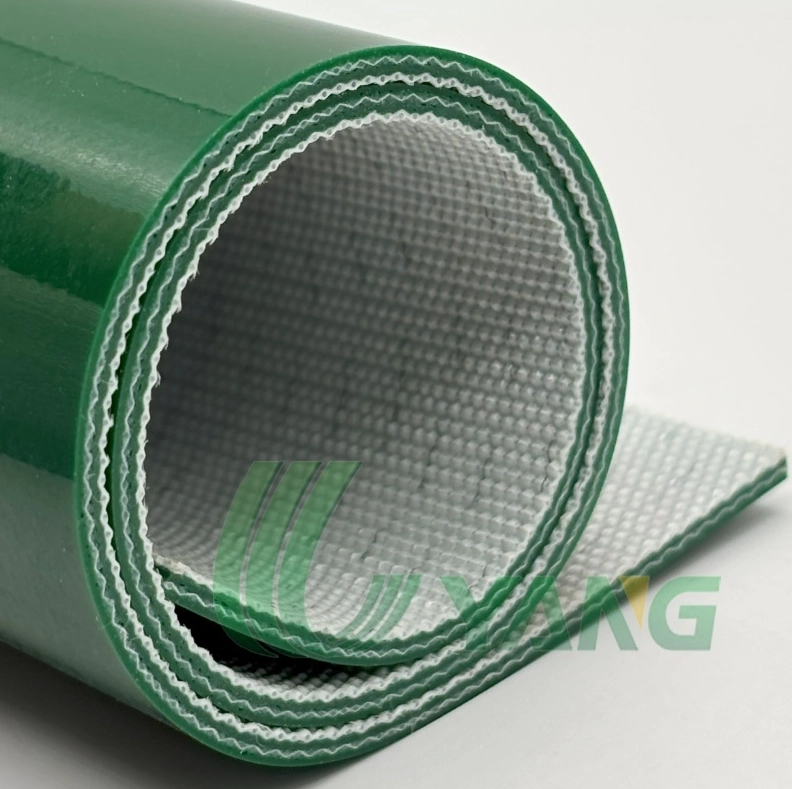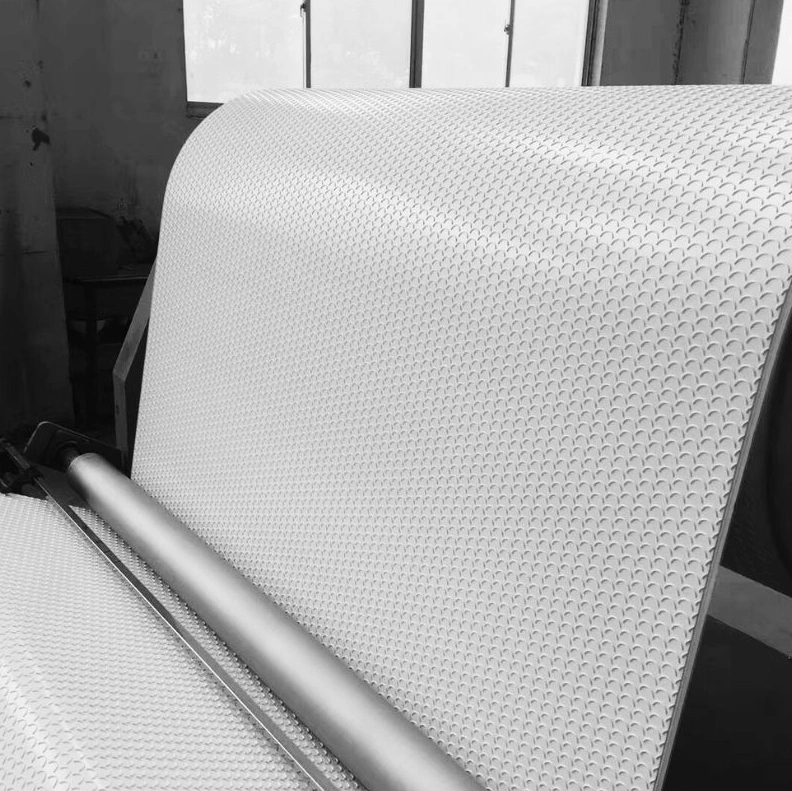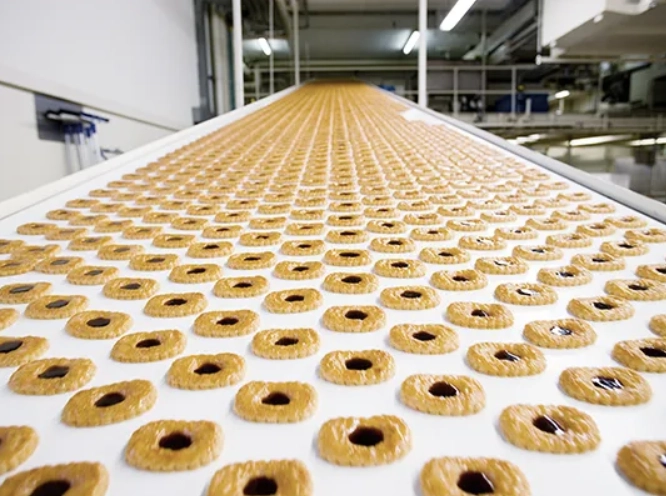
In the tire industry, conveyor belts play a key role in keeping things running smooth. They help with steady product quality and solid production speed. Among the choices out there, cotton canvas belts shine as a tough and handy option. They move raw materials and half-done products along tire lines. UYANG BELTING sells top-notch cotton canvas PU conveyor belts made just for tire making. These give answers that mix power, bendiness, and steady trust over time.
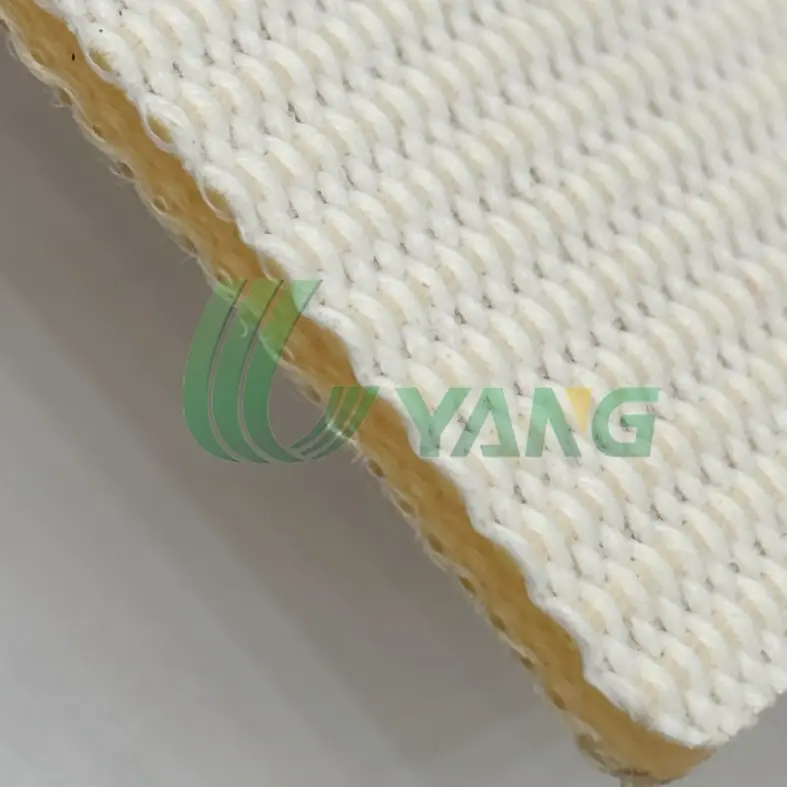
What Makes Cotton Canvas Belts Ideal for Tire Production?
Picking the right belt stuff is basic for tire makers who want to keep things efficient and cut down on breaks. Cotton canvas belts are famous for their special build and work traits. These help production lines a lot.
Durable Material Construction
Cotton canvas belts come from tight-woven cotton threads boosted with polyurethane layers. This mix makes a belt that handles lots of bending, pulling, and big weights without ripping or changing shape. For tire makers, toughness is not just nice. It is a must. Broken belts can stop work and raise costs.
High Flexibility and Strength
The woven setup of cotton canvas gives great bendiness while holding strong pull power. It lets belts curve around wheels easy. They fit sloped movers and carry heavy rubber stuff without sliding or stretching too much. This bendiness keeps things going even on tricky tire lines.
Resistance to Heat and Abrasion
Tire making often deals with hot temps and rough stuff. Cotton canvas belts fight friction and wear on their own. This makes them good for long contact with rubber sheets, mixes, and other tire parts. Their PU layer adds more fight against surface scrapes and small chemical touches. It keeps the belts working longer.
How Do Cotton Canvas Belts Improve Conveyor Efficiency?
Good handling of materials is vital in tire making. Mover systems with cotton canvas belts help with quicker flow, less stops, and full line steadiness.
Smooth Transport of Rubber Components
The slick top of PU-coated cotton canvas belts lets raw rubber sheets and half-done tire parts slide along easy. This cuts friction and the chance of stuff sticking or bending. Such issues can hurt tire quality and slow work.
Reduced Slippage and Downtime
The cloth-boosted build gives a firm hold on wheels and rollers. It cuts down on slips. Fewer slips mean fewer breaks and less need for hand fixes. In the end, this lifts line output.
Consistent Production Line Performance
Cotton canvas belts hold steady pull and straightness over time. Unlike some fake options, these belts fight stretching and shape changes under ongoing heavy loads. They give expected and even work that keeps plans on time.
Why Should Tire Manufacturers Choose UYANG BELTING Belts?
Not all cotton canvas belts are the same. UYANG BELTING makes products built to handle the tough needs of tire making. They ensure trust and good work.
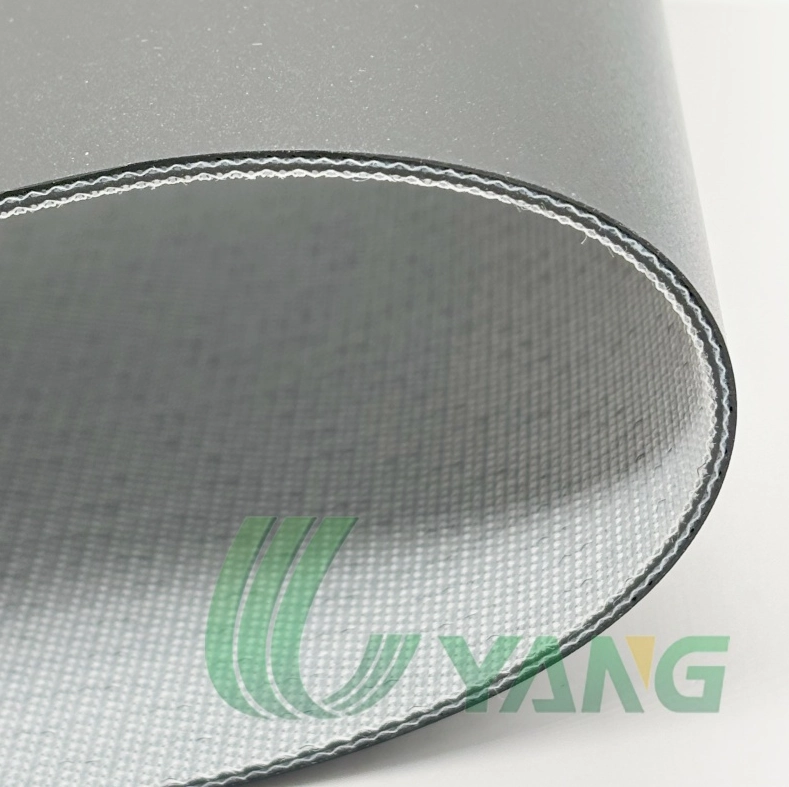
UYANG BELTING 2.5mm Cotton Canvas PU Conveyor Belt
The 2.5mm version fits medium-duty tire line jobs. There, exact handling of stuff is needed without extra weight on the setup. Its even thickness and PU top make it perfect for moving smaller tire parts smooth along build lines. Learn more here.
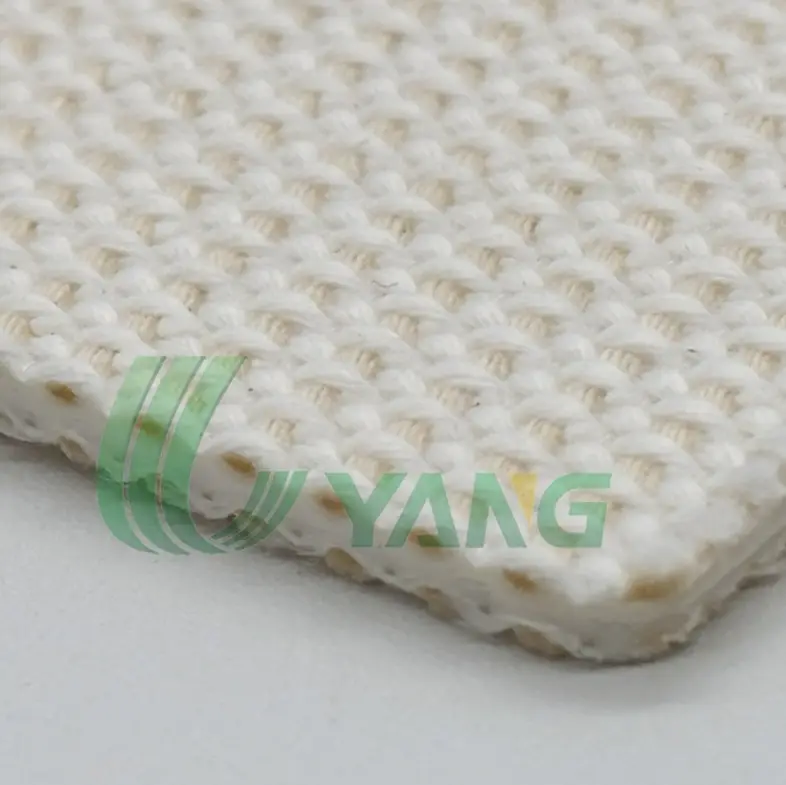
3.0mm Cotton Canvas PU Conveyor Belt for Tire Production
The 3.0mm belt works for heavier-duty parts of tire making. It can deal with big rubber sheets and full tire groups. Its thicker build gives more toughness while keeping bendiness. This makes it a great pick for busy lines. Learn more here.
Proven Reliability in Heavy-Duty Operations
UYANG BELTING’s cotton canvas belts are made to last. With years of know-how in work mover fixes, the firm makes sure each belt gives steady quality. They fight wear and give solid work under hard conditions.
What Maintenance Practices Maximize Belt Lifespan?
Even top cotton canvas belts gain from right care. Using simple upkeep steps can stretch their use and stop surprise breaks.
Routine Inspection and Cleaning
Checking belts often for top wear, ragged sides, or small rips lets fix teams spot problems early. Easy cleaning takes off junk that could speed up damage. It keeps the PU top working best.
Proper Tensioning and Alignment
Keeping right belt pull stops over-pulling and slips. Crooked belts can cause uneven damage and sudden stops. So, exact straightness is key for easy running.
Timely Replacement of Worn Belts
Even with good care, belts wear out in time. Watching signs like odd sounds or uneven stuff moving ensures swap happens before work gets hit.
How Do Cotton Canvas Belts Impact Tire Quality?
The finish of tires depends a lot on the steadiness and trust of the mover system. Cotton canvas belts help with better results in many ways.
Uniform Handling of Raw Materials
Even, flat moving keeps rubber sheets and tire parts level and safe in transit. This cuts flaws in heating and build steps. It helps keep even tire sizes.
Minimized Material Contamination
PU-coated cotton canvas belts fight dust and junk buildup. Cleaner belts stop dirt issues. They keep the chemical makeup of rubber mixes pure and lift full tire quality.
Enhanced Consistency in Finished Tires
By giving steady, expected motion of parts, cotton canvas belts cut changes in work. Even steps lead straight to solid tire work and fewer check problems.
What Are the Cost Benefits of Using Cotton Canvas Belts?
Putting money in good cotton canvas belts can cut running costs and boost return over time.
Reduced Downtime and Labor Costs
Trusty belts mean fewer halts, less hand work, and lower pay costs. Fix teams can aim at set jobs instead of endless fixes.
Lower Long-Term Replacement Frequency
Tough cotton canvas build stands up to damage and setting stress better than many others. Less need for often swaps saves cash over the belt’s life.
Improved Overall Production Efficiency
Smooth, even stuff flow raises line output without more hours or people. Quicker rounds and less trash hit the money straight.
How Are Cotton Canvas Belts Integrated Into Automated Tire Lines?
New tire plants count more on auto setups to keep speed and quality. Cotton canvas belts fit well with auto systems. They back easy running.
Compatibility with High-Speed Conveyor Systems
The pull power and top hold of cotton canvas belts let them handle fast work without slips or breaks.
Smooth Interaction with Robotic Equipment
Robots and auto arms count on the even belt motion to do cutting, shaping, or build jobs exact.
Support for Continuous, Large-Scale Operations
Whether shifting raw rubber or done tires, cotton canvas belts keep even work across long lines. They back big, ongoing jobs well.
FAQ
Q1: What thickness of cotton canvas belt is best for tire manufacturing?
A: For medium-duty applications, 2.5mm belts work well, while heavier-duty lines benefit from 3.0mm belts, as offered by UYANG BELTING.
Q2: How often should cotton canvas belts be replaced?
A: Replacement depends on usage, load, and maintenance. Regular inspections help identify wear before it affects production, typically every 2–3 years in high-volume lines.
Q3: Can cotton canvas belts be used with automated tire production systems?
A: Yes. Their strength, flexibility, and smooth surface make them compatible with high-speed conveyors and robotic operations, ensuring reliable material handling.