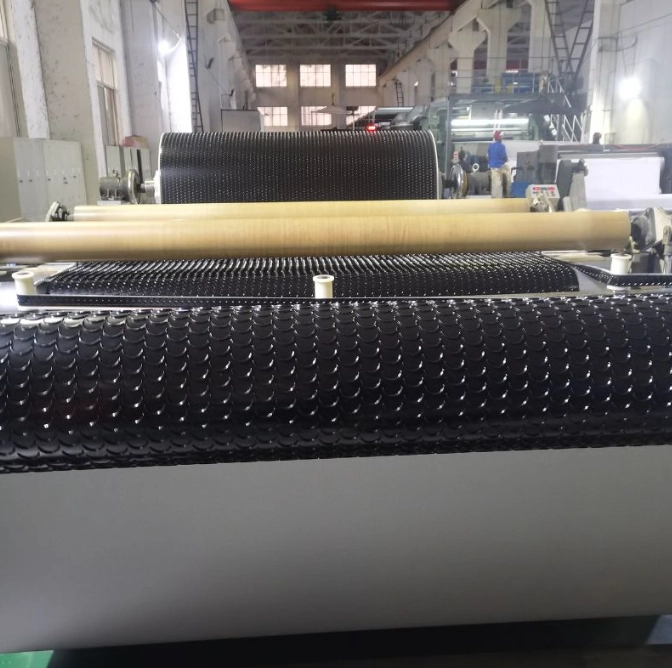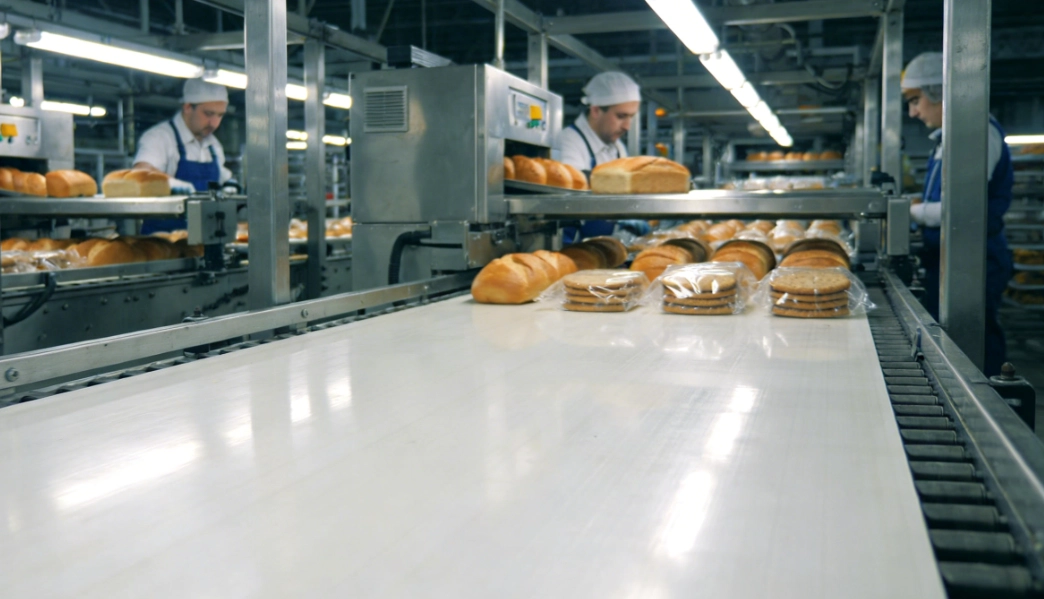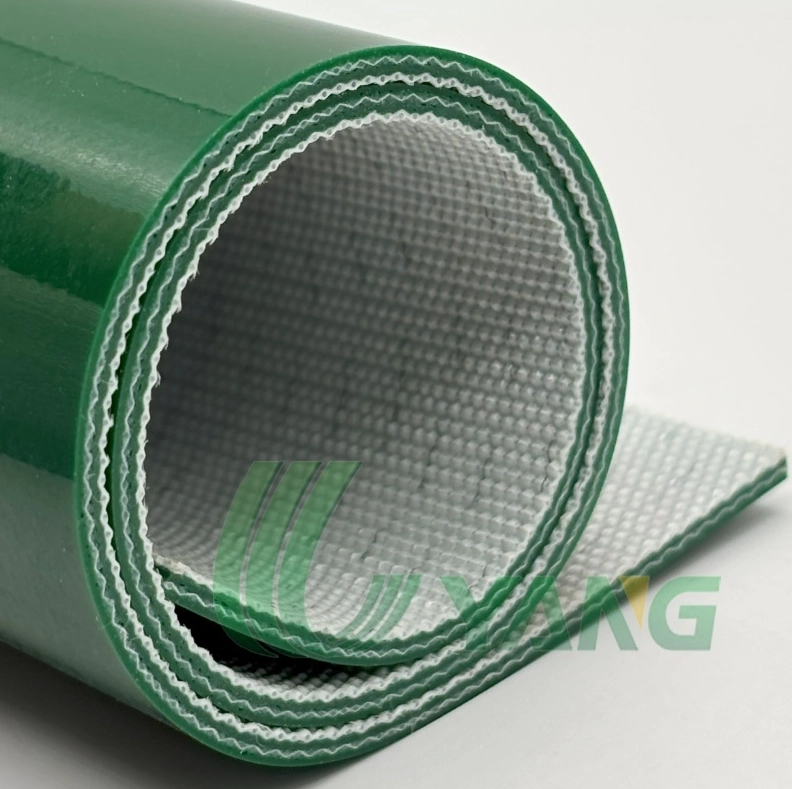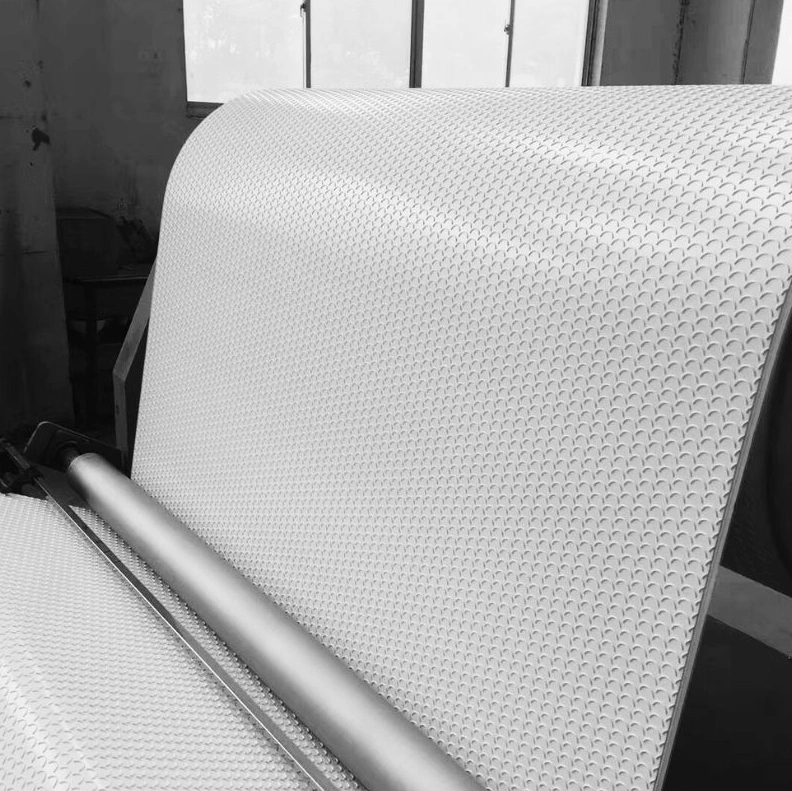
Tire manufacturing is a hard place. Heat, oil, rubber dust, and big loads always come together on the same line. The conveyor systems that carry raw rubber, tread compounds, and finished tires have to remain tough, easy to wash, and reliable each day. Choosing the right modular belt material is not a minor thing. It is a decision that impacts daily work and repair costs.
Guangzhou UYANG BELTING, a skilled maker with more than 20 years in conveyor tech, has created modular belts made for these rough spots. Their belts are now used in tire and rubber plants around the world. They help from rubber mixing and cooling to sorting and last checks.
Why Are Material Choices So Important in Tire Manufacturing?
The tire business needs much more than just shifting stuff from one spot to another. Belts deal with high heat from mixing and curing. They face sticky rubber that sticks to surfaces. And they bear the steady weight of thick tread blocks and rubber sheets.
Efficient and Steady Conveying Systems
A good modular belt must match quick production lines without stretching or getting stuck. When items move well, stops happen less. And machines stay in step with auto systems.
Heat and Chemical Resistance
Rubber lines often get hotter than 100 °C. Some parts even see steam and oil. Weaker plastics can get soft or fall apart in these setups. That is why stuff like POM (Polyoxymethylene) and PP (Polypropylene) get used a lot. They fight off heat changes and chemical harm.
Durability and Easy Maintenance
Each repair break slows work and raises costs. Strong polymers like PA (Nylon) or PE (Polyethylene) can keep their form and power even after long time with stress, damp air, or rubbing.
What Are the Common Materials Used for Modular Belts?
Before picking a modular belt, it is good to know what each main material gives and where it works best.
Polypropylene (PP) – Lightweight and Economical
PP belts often get used for cooling or light jobs. They deal with heat up to 105 °C and give solid fight against chemicals. UYANG’s UY-1000 Flush Grid, made of PP, does well in film-soaking and tread-cooling lines. There, both heat and cleanness count.
Polyethylene (PE) – Flexible and Cold-Resistant
For cold spots, PE belts stay bendy and do not crack or get small. They fit well for cooling conveyors that run from 0 °C to 60 °C. For example, those that carry half-done rubber mixes.
Polyoxymethylene (POM) – High-Strength Material for Heavy Loads
POM belts are built for heavy work. They give firm mechanical results and run steady from -40 °C to +85 °C. UYANG’s UY-900C Thickening Flush Grid is a good case. It often shows up in mixing and extrusion lines that need power and exact balance.
How Does Each Material Perform in Different Tire Production Stages?
Each part of a tire plant has its own problems. Some are hot. Some are heavy. Others need perfect surface care. The right belt material keeps the line going without issues.
Mixing and Cooling Lines – POM or PA Belts
Fresh rubber leaves the mixer at very high heat. Belts like UY-900C or UY-1700B handle these big items well. They fight sticking and stay in form under pull. Their open-grid tops let quick cooling and easy washing.
Tread and Sidewall Extrusion – PP or POM Flush Grid Belts
Tread rubber needs smooth and steady shift. Modular belts like UY-3500A Flush Grid or UY-1000 Flat Top make sure of gentle, even move. Their chemical fight helps them last when hit by oils or add-ins.
Curing and Inspection – Nylon or PE Belts
After curing, done tires are warm and heavy. Belts made with PA or PE give sure support and no-mark carry. The UY-4000 Series does very well in final-stage shifts and check lines.
Key Factors When Selecting Belt Materials
Picking the right material is not just about heat charts. It is about how the belt acts under real work stress.
Temperature Resistance and Dimensional Stability
Tire plants are hot places. Belts that grow or get soft too much will slip, go off track, or wear out machines. POM and PA are liked in these spots because they hold form and power.
Chemical Compatibility with Oils and Compounds
Mixing lines often handle solvents, waxes, and rubber oils. The belt top must fight soaking to stop dirt mix. PP and POM both do strong here.
Surface Design and Open Area for Cooling
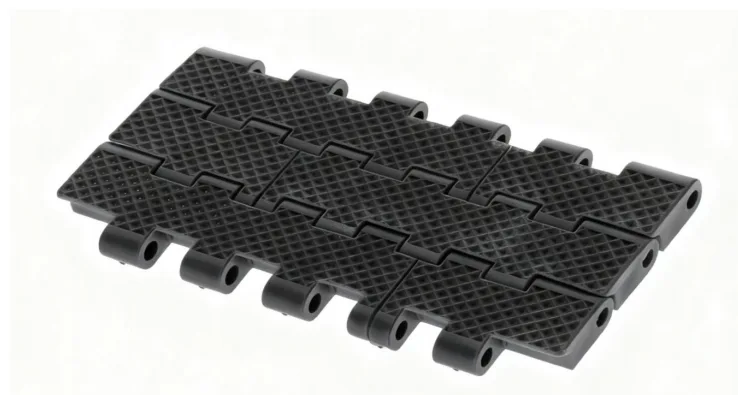
The top feel affects both air flow and rub. Belts with open grids, such as UY-900A and UY-3500A, let air pass free for faster cooling. Closed-top belts like UY-4000 Flat Top give smooth shift for final check or packing parts.
How UYANG BELTING Modular Belts Improve Tire Production Efficiency
UYANG BELTING has made its name by mixing smart build plans with tough, long-life stuff. Every modular belt gets checked to handle the exact spots found in new tire plants.
Optimized Material Formulations (POM, PP, PA)
Each UYANG belt series is built to balance bend and power. Whether it is the UY-900, UY-1000, UY-1700, or UY-4000 Series, all give high lasting, load hold, and fit open-area plans for cooling or washing.
Tailored Product Series for Tire Applications
- UY-900 Series – Perfect for mixing and film-soaking lines needing strength and heat endurance.
- UY-1000 Series – Designed for cooling and smooth transfer sections.
- UY-1700 Series – Roller-top style, excellent for sorting and assembly areas.
- UY-4000 Series – Flat-top or ball-top type, ideal for inspection and packaging.
Proven Results Across Tire Production Lines
From film-spray modules to tread-rubber cooling, UYANG BELTING modular belts keep work steady and repairs low. Their sure work means fewer stops and safer spots to work.
Which UYANG BELTING Series Fit Different Tire-Plant Sections?
Picking the right series hangs on the work spot and steps.
UY-900 Series – For Rubber Mixing and High-Load Conveying
Made from POM and PA, this belt kind handles high stress and heat up to 150 °C. It is often used to move heavy rubber from mixers to coolers.
UY-1700 Series – Roller-Top Belts for Sorting and Handling
Its roller-top plan makes direction shifts easy. It is widely used in sorting or packing systems. And it helps guard tire tops by cutting rub.
UY-4000 Series – Flat Top and Ball Top Belts for Cooling and Transfer
Built with solid modular links, these belts make sure of smooth and steady move in cooling or end-line systems. They are also fast to wash, helping keep ongoing work.
How Material Innovation Shapes the Future of Tire Conveyor Systems
The tire business is heading toward cleaner, greener, and better work. Conveyor belts are part of that shift.
Shift Toward Non-PVC, Eco-Friendly Materials
Many plants now swap PVC with safe-for-earth polymers. UYANG’s modular belts made from PP, POM, and PA follow world safety and green rules. At the same time, they cut on gas outs and trash.
Modular Design for Easier Maintenance
A modular build lets workers swap single parts instead of the whole belt. That drops stop time and makes washing simpler. It fits well with new auto systems.
UYANG BELTING’s Role in Sustainable Tire Manufacturing
Through better polymer know-how and careful plans, UYANG BELTING helps tire plants hit higher work and safety. Their ongoing new ideas and help make them a sure partner for tire makers around the world.
FAQs
Q1: What makes UYANG BELTING’s modular belts suitable for high-temperature use?
A: They use engineering plastics such as POM and PA, which keep their strength and shape from -40 °C up to 150 °C—ideal for mixing, extrusion, and curing areas.
Q2: Are UYANG BELTING belts compatible with standard tire-factory machines?
A: Yes. Their modular designs fit most sprocket systems and can be customized for width, pitch, and surface type to match major OEM equipment.
Q3: How often do these modular belts need replacement or service?
A: With proper cleaning and alignment, UYANG belts last for years. A quick check every few months is usually enough, making them a cost-effective long-term solution.