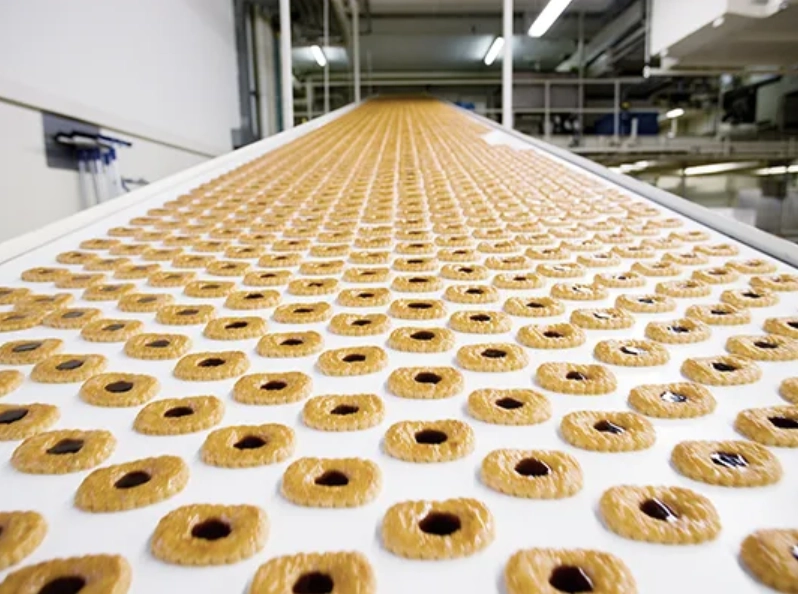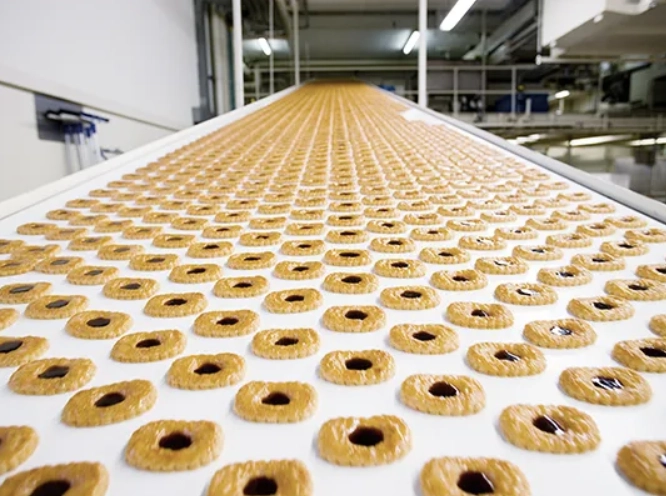
The worldwide conveyor belt market is making strong progress, and experts predict it will hit USD 8.2 billion by 2034. Although a large part of this expansion comes from tough industries such as mining and steel, the essential tasks in areas like packaging, food, and logistics depend a great deal on systems made from polymers. If you manage a facility, then you understand that a belt performs only as well as its most recent cleaning. Ensuring your production lines operate without hitches goes beyond the first setup; it focuses on managing the everyday accumulation of dirt, oils, or particles. Deciding between a simple dry wipe and a thorough wet wash might separate a belt that endures for five years from one that breaks down after just six months.
Why Does Cleaning Method Matter for Belt Longevity?
Many folks overlook the fact that the main threat to conveyor setups is not often a breakdown in the motor, but rather the wear from ignored residue. When particles linger on a belt, they function like rough sandpaper, gradually wearing away the upper layer. Financial pressures frequently cause businesses to hold back on spending for advanced upkeep, yet a wise cleaning schedule actually serves as the most affordable safeguard you can get.
Essential Impact of Maintenance on Service Life
A belt that remains free of grime operates at lower temperatures and faces reduced stress on the pulleys. In sectors like cement or steel, where belts carry heavy materials up sharp slopes, even minor extra friction from filth can result in severe rips or improper alignment. Consistent care maintains the material’s pliability and stops the sides from wearing out too soon.
Comparison Between Dry and Wet Cleaning Techniques
Dry cleaning works best for loose dust, paper scraps, and dry bits that show up often in shipping operations. It is quick and avoids the use of any chemicals. On the other hand, wet cleaning tackles tough jobs in food handling or chemical facilities, where you face adhesive residues. Here, water combined with cleaners is essential to dissolve proteins or fats that a mere brush cannot remove.
Material Integrity of High-Quality PVC Belts
Not every type of PVC is the same. The polymer portion of the market, worth USD 4.4 billion, features materials like PVC and TPE since they offer durability along with flexibility. UYANG BELTING‘s PVC belts are designed to withstand these cleaning pressures without splitting or weakening their surface grip.
When Should You Choose Dry Cleaning for PVC Belts?
If your operations involve shifting cartons, gadgets, or dry components, then pulling out the hose is likely unnecessary. Dry cleaning emphasizes quick action and keeps water distant from delicate machine elements. Since the flat belt category makes up more than 73.2% of the market, many users seek a care routine that skips the need for hours of air drying.
Efficiency in Light-Duty Logistics and Packaging
In a hectic storage area or an airport luggage system, such as the vast setup at Daxing Beijing International Airport, you cannot pause operations for an intensive scrub. Dry methods like brushing or using compressed air let the equipment continue running. These approaches effectively clear the minor debris that builds up naturally in busy sorting centers.
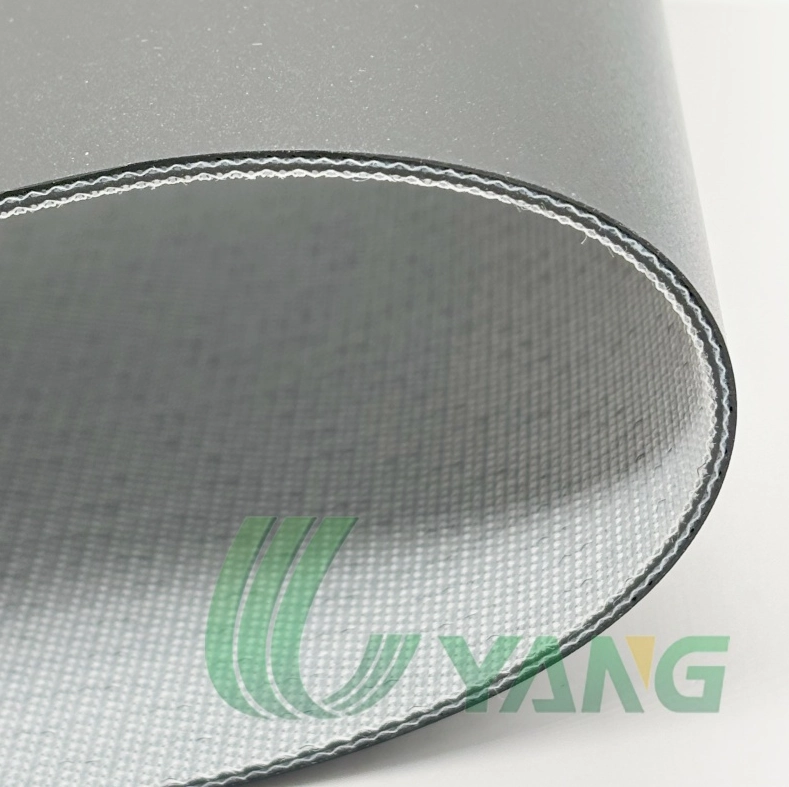
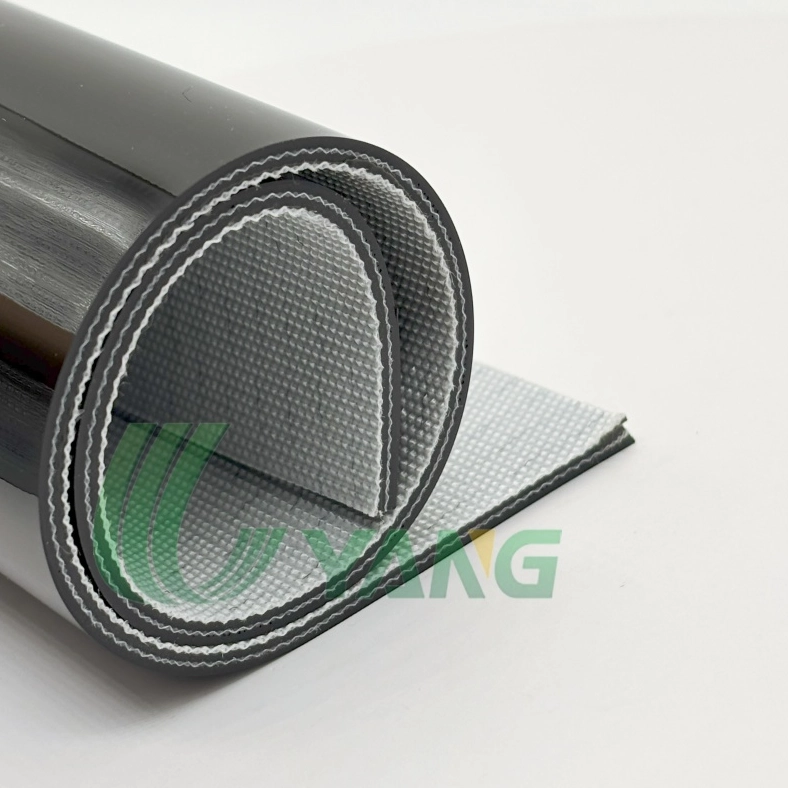
Performance of Black Smooth PVC Conveyor Belt
In such dry settings, the Black Smooth PVC Conveyor Belt from UYANG BELTING stands out as an excellent option. Its completely even surface leaves no small spaces for particles to collect. Often, a basic scraper or a soft cloth suffices, which makes it among the easiest belts to maintain in the range.
Minimizing Downtime and Energy Consumption
Halting a production line leads to losses, without question. Dry cleaning techniques typically allow for work during brief pauses or while the belt moves at a gentle pace. As a result, they help dodge the substantial expenses and repair bills that frequently deter companies from improving their equipment.
Is Wet Cleaning Necessary for Specialized Industries?
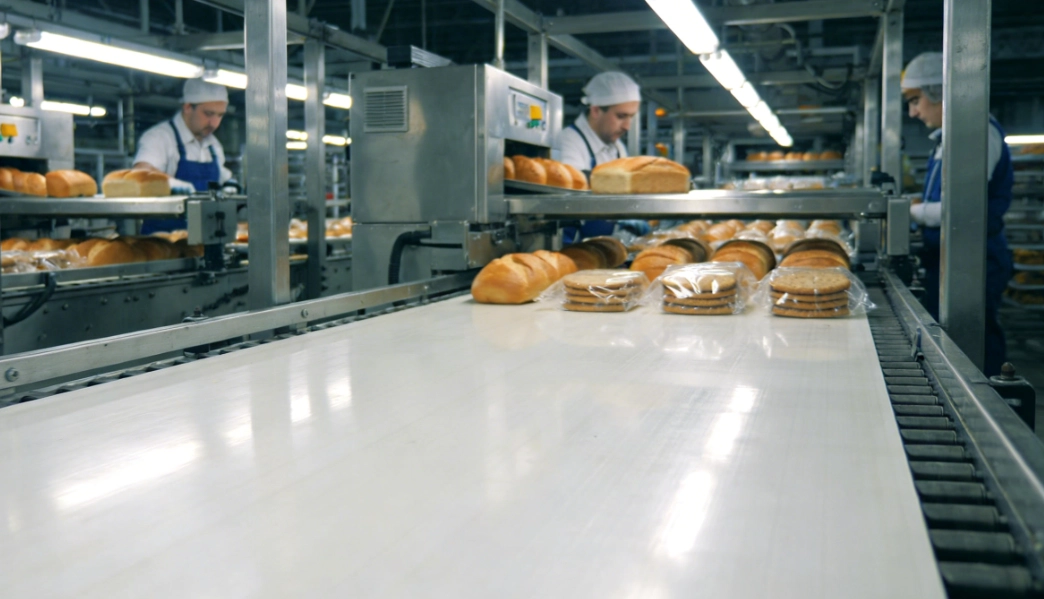
When you enter a food production site or a drug manufacturing plant, the standards shift. Cleaning here goes beyond appearance; it ensures safety. With rising needs for ready-to-eat meals due to fast-paced lives, the demand to keep lines spotless has reached new heights. This is the point where water-based methods become essential.
Sanitation Requirements in Food Processing
In food preparation, cleanliness means no germs at all. PVC belts gain favor in these areas because they endure chemical exposure. If residues from meats, greases, or sweets appear, a dry tool will only smear them further. Instead, a wet rinse with approved sanitizers truly eliminates microbes and removes the oils.
Advantages of Green Matte PVC Conveyor Belt
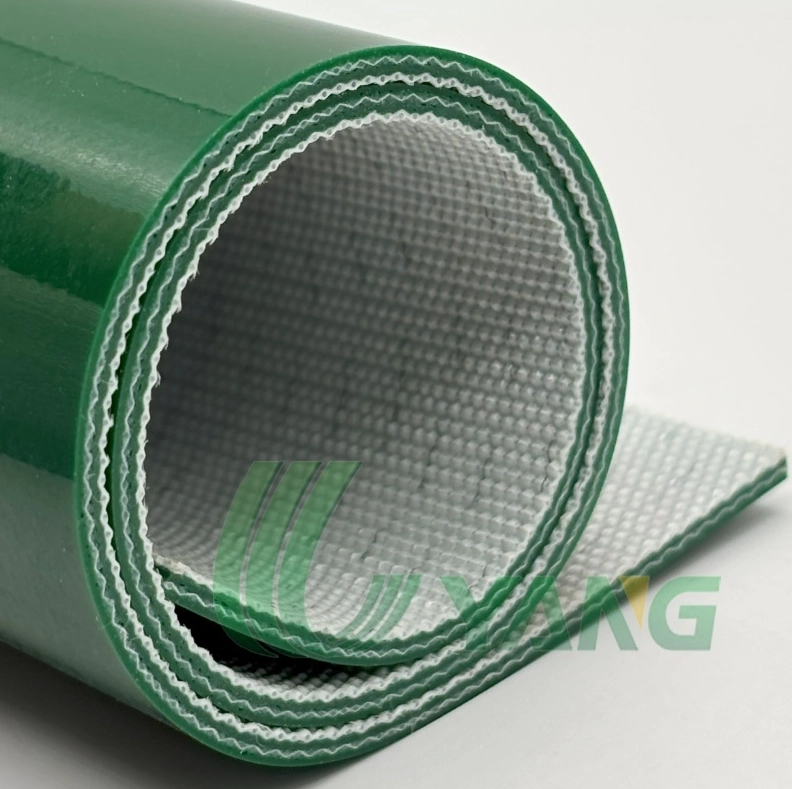
The Green Matte PVC Conveyor Belt proves popular in these environments. Its dull finish serves more than looks; it aids in letting go of clingy food items more readily than a shiny one would. Moreover, it holds up against warm water and soaps in routine washes without the material turning sticky as time passes.
Preventing Bacterial Growth and Cross-Contamination
The risk of cross-contamination haunts every operation. Because wet methods strip away the thin films of organic matter, they halt the development of harmful layers. This matters greatly in bottling and packaging tasks, where even slight leftovers can ruin a whole batch of output.
How Does Surface Texture Influence Cleaning Choice?
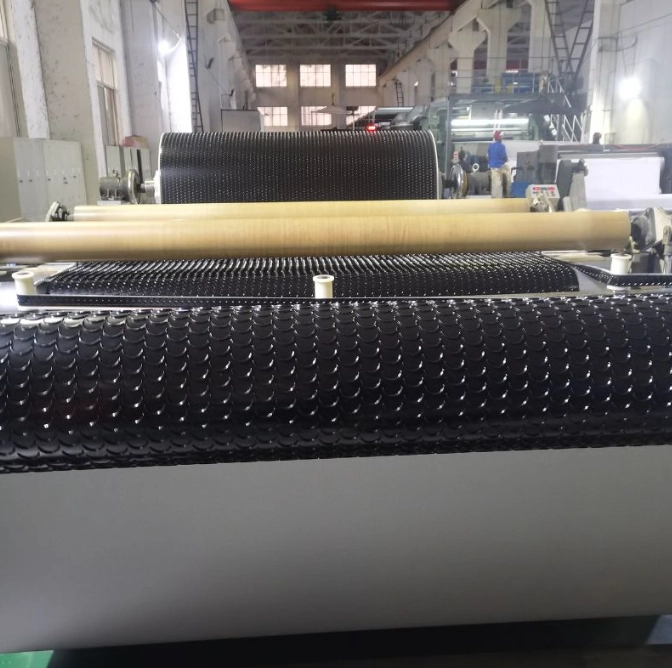
A belt does not always consist of a plain strip of plastic. At times, raised designs or ridges are needed to shift items uphill or prevent them from slipping. Although these features boost efficiency, they create challenges during cleanup. You must select tools that fit the dips and peaks on the belt’s face.
Impact of Patterns on Material Handling
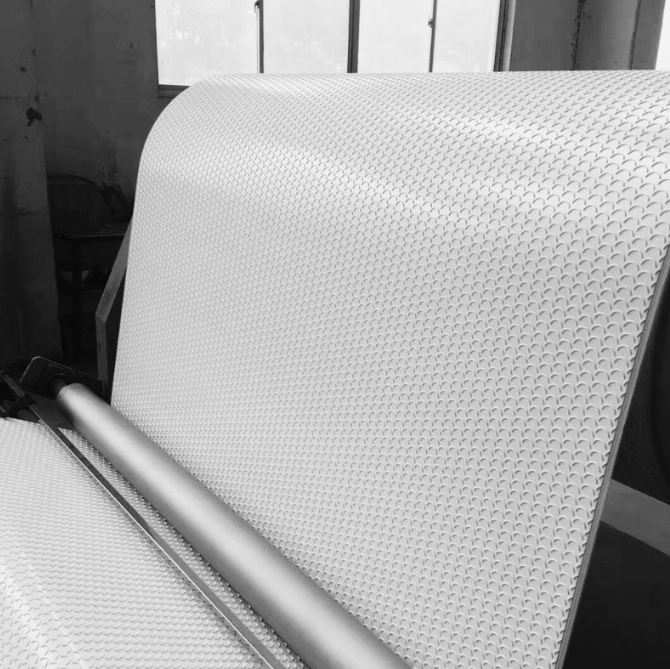
Such designs provide better hold, particularly for shifting stones, fuel, or loads at steep pitches in factory settings. Yet, those identical designs can catch small powders or fluids. If you apply a straight-edge tool to a patterned belt, you will overlook roughly half the trapped grime in the channels.
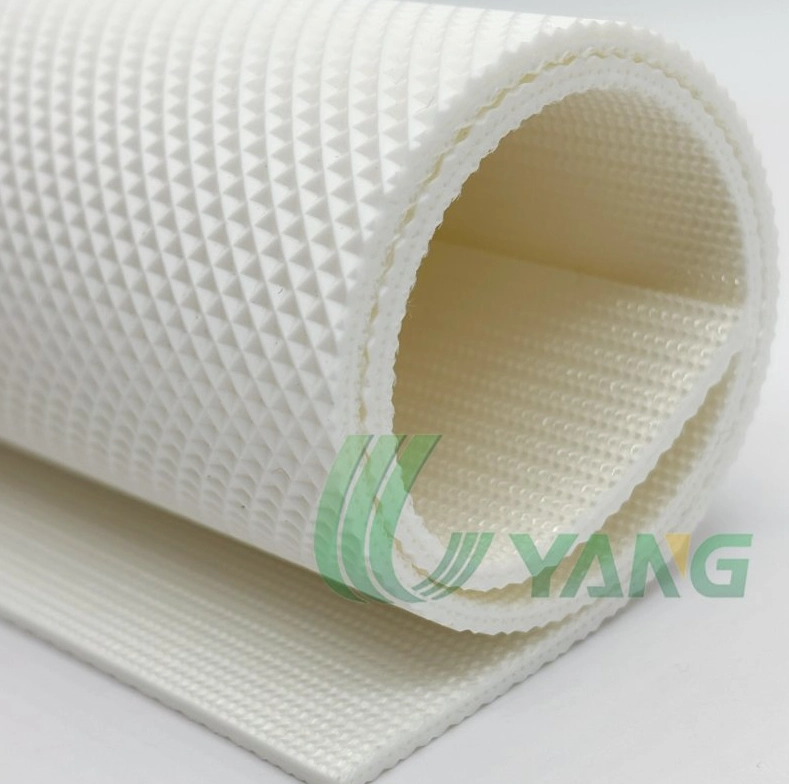
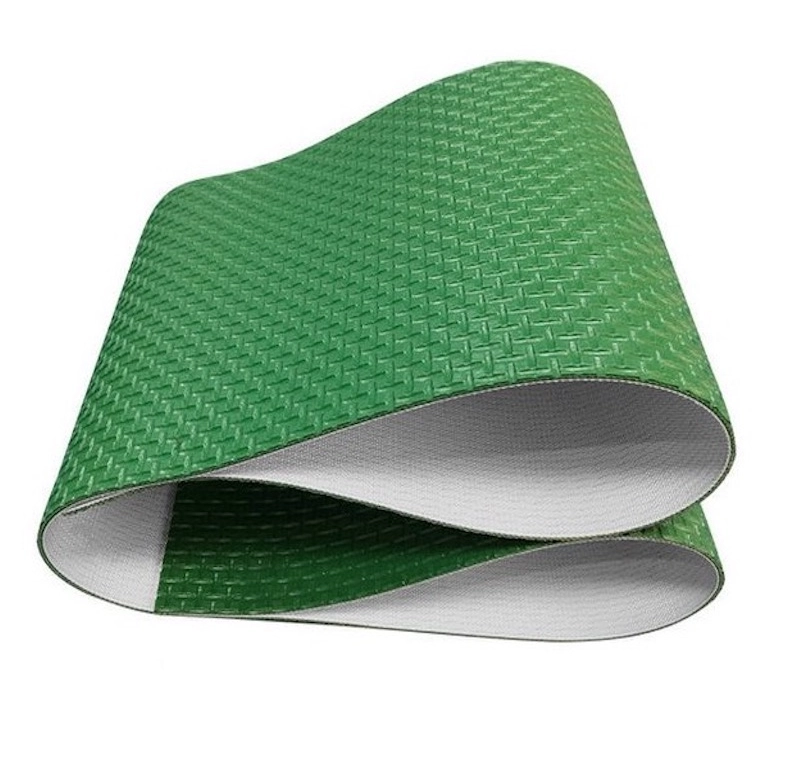
Versatility of Lattice Pattern PVC Conveyor Belt
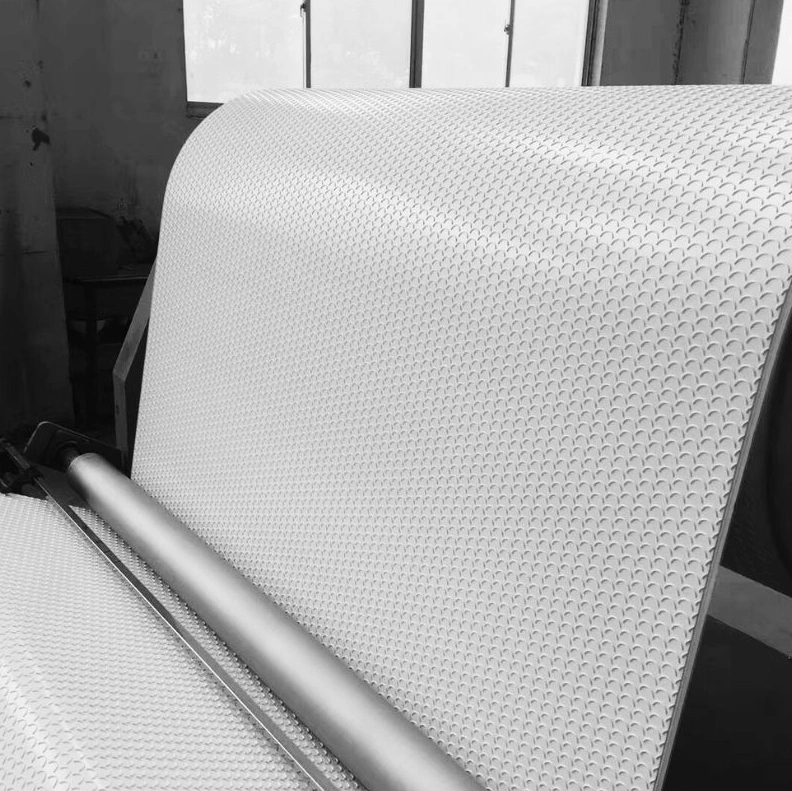
Consider the Lattice Pattern PVC Conveyor Belt , for instance. It excels at stopping items from sliding, but to clean it properly, you should employ a gentle brush or a high-pressure rinse to access the grid structure. It requires a touch more effort compared to a plain belt, yet the added reliability in handling materials justifies the brief extra time spent.
Selecting Methods Based on Conveyor Incline and Load
When your belt operates at a 16° slope, the gathering of fine bits can render the face slick, leading loads to slip downward. For these situations, a partial wet approach, such as a moist wipe or light spray, can renew the PVC’s stickiness without flooding the area.
What Are the Global Trends in Sustainable Maintenance?
Around the globe, there is a clear move toward environmentally sound practices in all fields. In the conveyor sector too, firms seek methods to reduce power use and refuse. This influences cleaning habits, as operators turn from strong cleaners and heavy water use to precise, efficient options.
Shift Toward Eco-Friendly Cleaning Solutions
A major drive exists for sustainable and green options these days. In places like Europe, particularly Germany, plants are adopting breakable soaps for their rinsing routines. These choices benefit the belt’s composition and improve the quality of nearby water sources.
Role of Automation in Belt Monitoring and Cleaning
Automation acts as a primary force in current production and transport. Now, smart devices are emerging that alert users to belt dirtiness. Rather than sticking to set times, you address issues only when detectors note reduced traction or particle accumulation.
Long-Term Cost Savings Through Proper Maintenance
Establishing a premium setup demands significant funds, but the true advantage lies in the future. By selecting the appropriate cleaning for your particular UYANG BELTING belt, whether the Black Smooth, Green Matte, or Lattice Pattern, you sidestep the financial hurdles of premature swaps. Effective care is not an expense; rather, it ensures your income flows steadily.
FAQ
Q1: Can I use harsh chemicals to clean my UYANG BELTING PVC belt?
A: Although PVC resists chemicals well, it is wiser to steer clear of very strong ones like acetone, which might deplete the softening agents in the belt and lead to splits. Opt for gentle soaps or dedicated PVC solutions to preserve the material’s flexibility.
Q2: How often should I clean a belt used in logistics?
A: For basic tasks like wrapping or airport handling, a once-a-week dry wipe often suffices. That said, in demanding spots like the Daxing Airport, a daily light brush prevents particles from reaching the pulleys and sparking alignment problems.
Q3: Does wet cleaning damage the “Lattice Pattern” on a belt?
A: Far from it. Actually, wet cleaning is frequently the sole effective way to fully refresh a “Lattice Pattern” belt. Ensure the brush has soft enough fibers to probe the design without scratching the PVC, so the hold remains as strong as ever.